
BIOBASE
BIOBASE PRODUCTS
Air Protection
Centrifuge
Clinical & Analytical Instruments
Laboratory And Medical Cryogenic Equipment
Disinfection & Sterilization Solution
Incubator & Oven
Incubator
Oven
Lab & Medical Equipment
Blood Bank Instrument
Rehabilitation Medical Products
Lab & Medical Equipment
Electric Hotplate
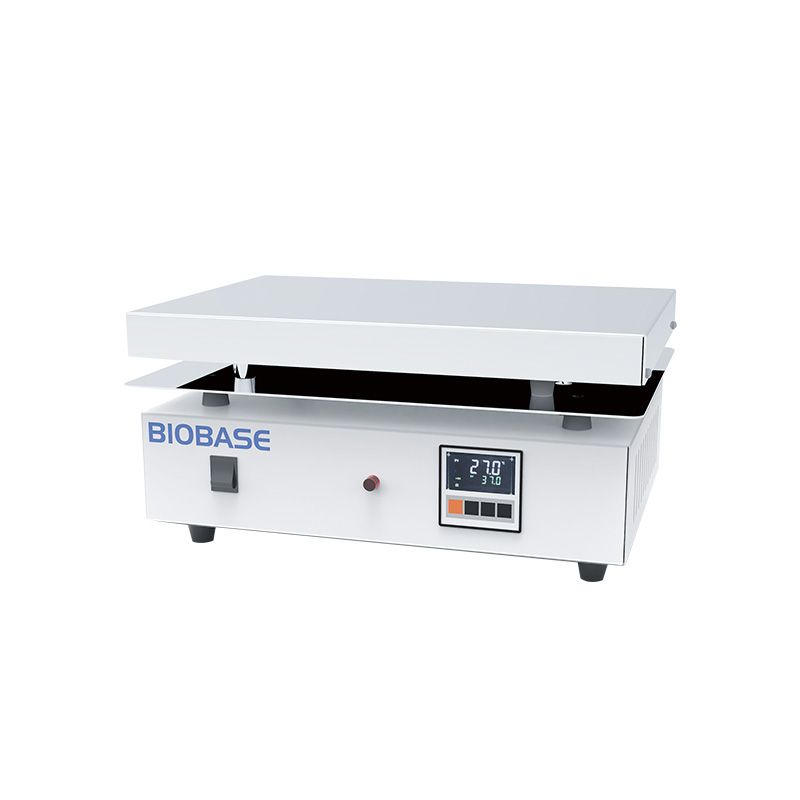
Electric Hotplate BJPX-HP3040
An electric hot plate is a versatile heating device for industrial and laboratory applications, engineered based on the resistance heating principle. It converts electrical energy into thermal energy, delivering a stable heat source for sample heating, temperature maintenance, drying, and reactive processes. Widely used in chemical analysis, biological experiments, material testing, food processing, and industrial production, it boasts core advantages such as excellent heating uniformity, high temperature control precision, and user-friendly operation—effectively meeting the diverse temperature control requirements across various fields.
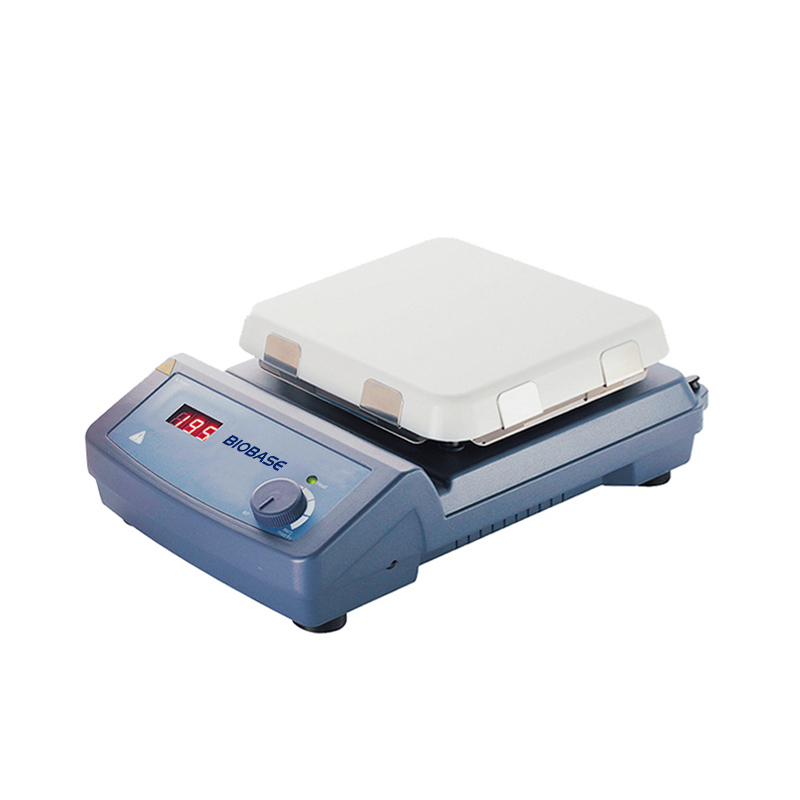
Glass Ceramic Hot Plate HP550-S
The Glass Ceramic Hot Plate is a premium laboratory heating device engineered for precise, uniform, and rapid temperature control.
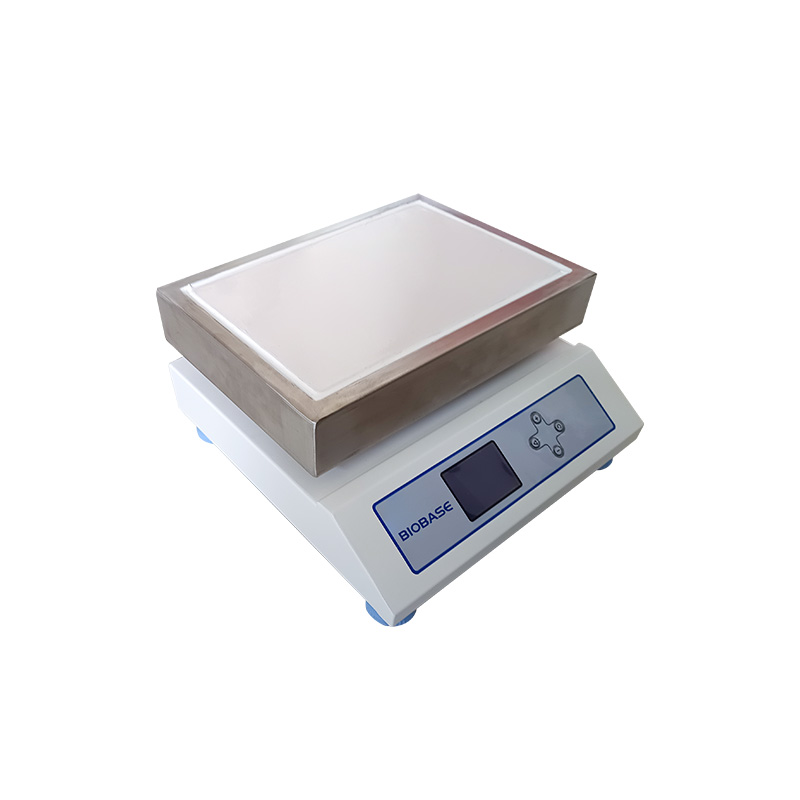
Laboratory Electric Ceramic Hot Plate CH-300 CH-400
An electric hot plate is a versatile heating device for industrial and laboratory applications, engineered based on the resistance heating principle. It converts electrical energy into thermal energy, delivering a stable heat source for sample heating, temperature maintenance, drying, and reactive processes. Widely used in chemical analysis, biological experiments, material testing, food processing, and industrial production, it boasts core advantages such as excellent heating uniformity, high temperature control precision, and user-friendly operation-effectively meeting the diverse temperature control requirements across various fields.
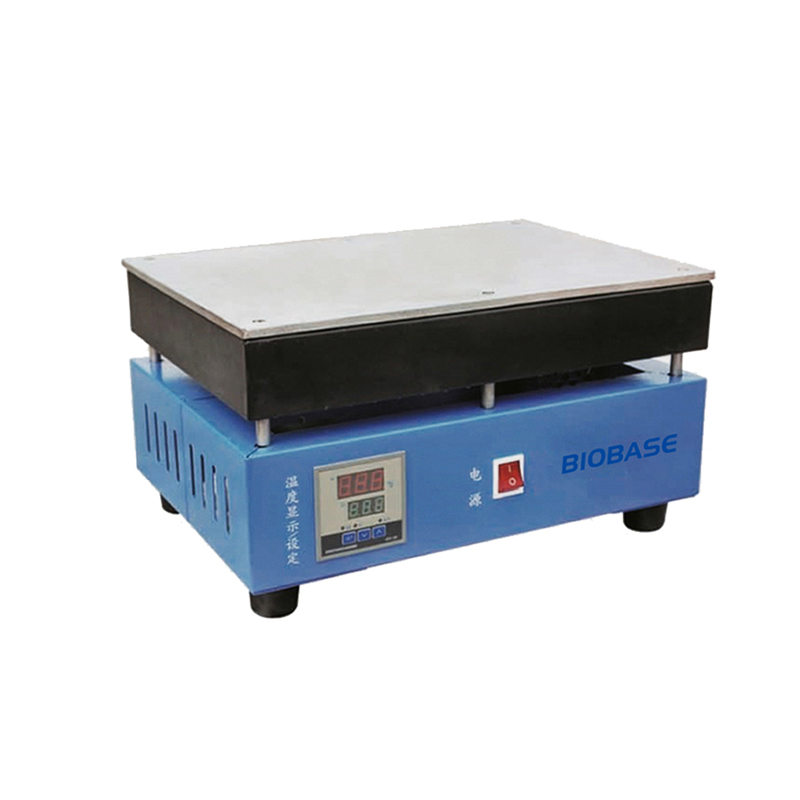
Electronic & Digital Hot Plate
It applies in drying articles in chemical analysis, physical determination, heat treatment and other temperature experiments in laboratories of industrial mining enterprise, health, environmental protection, biochemistry and scientific research and college labs etc.
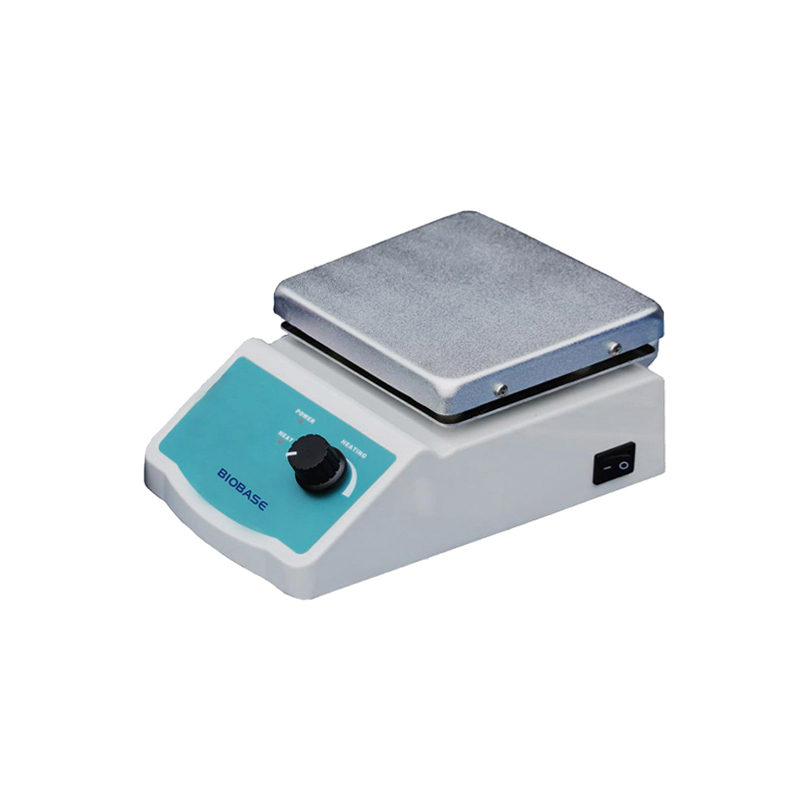
Electric Hotplate BJPX-HP3040
An electric hot plate is a versatile heating device for industrial and laboratory applications, engineered based on the resistance heating principle. It converts electrical energy into thermal energy, delivering a stable heat source for sample heating, temperature maintenance, drying, and reactive processes. Widely used in chemical analysis, biological experiments, material testing, food processing, and industrial production, it boasts core advantages such as excellent heating uniformity, high temperature control precision, and user-friendly operation—effectively meeting the diverse temperature control requirements across various fields.