
BIOBASE
BIOBASE PRODUCTS
Air Protection
Centrifuge
Clinical & Analytical Instruments
Laboratory And Medical Cryogenic Equipment
Disinfection & Sterilization Solution
Incubator & Oven
Incubator
Oven
Lab & Medical Equipment
Blood Bank Instrument
Rehabilitation Medical Products
Lab & Medical Equipment
Chromatography

High Performance Liquid Chromatography System EClassical 3200
The newly developed EClassical 3200 high performance liquid chromatography system meets the constantly upgraded regulatory requirements and redefines the appearance design of domestic liquid phase, perfects the continuity and integrity of the analysis process, demonstrates the stability of laboratory results, and meets the feasibility.
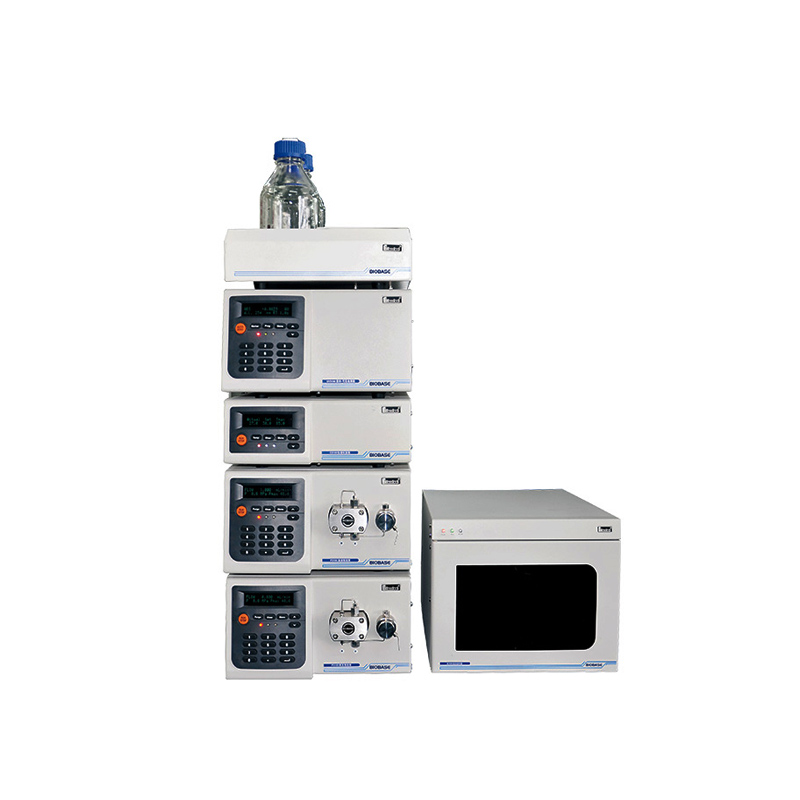
High Performance Liquid Chromatography System EClassical 3100
EClassical 3100 System is perfected from classical HPLC systems manufactured by our company, the high quality has widely recognized by customer. It is suitable for users who are looking for the versatility and robustness. The excellent features ensure the reliability results and improve working efficiency.
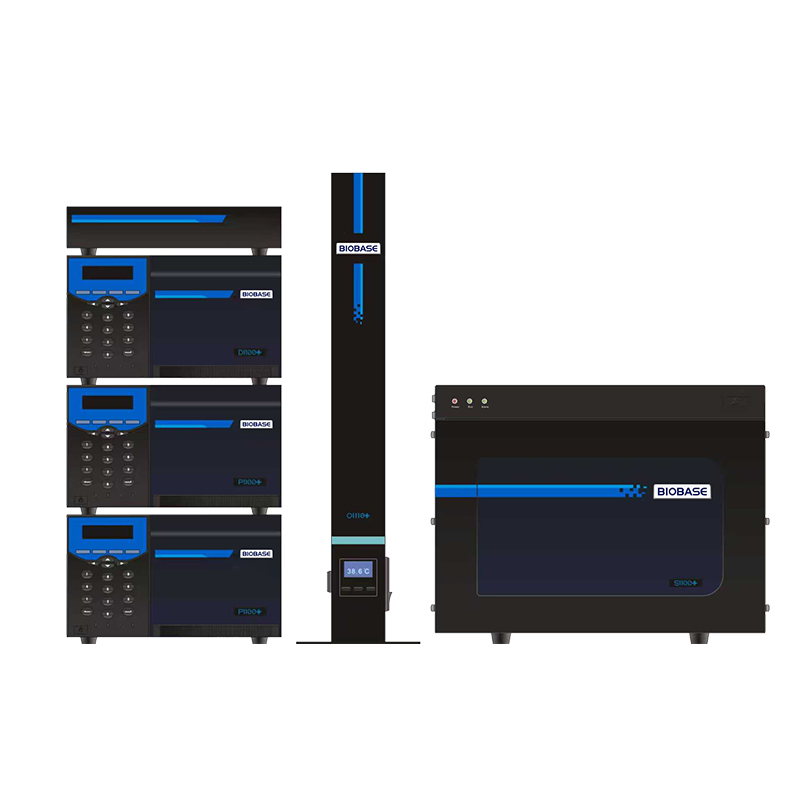
High Performance Liquid Chromatography System Agress1100+
High performance liquid chromatography system designed for precise and efficient chemical analysis. This HPLC system with UV detector ensures reliable separation and accurate results for laboratory applications.
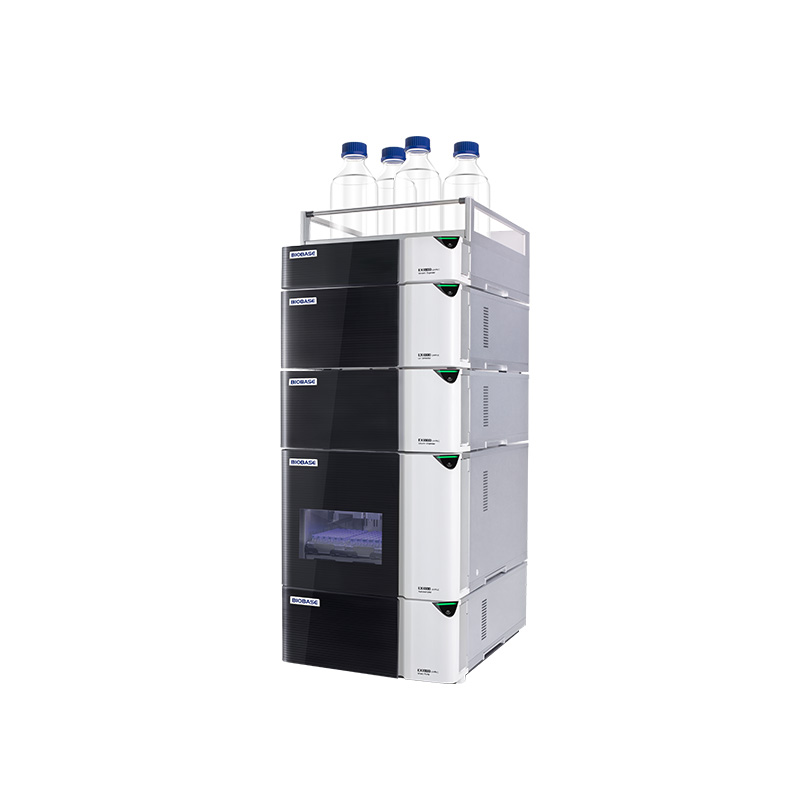
High Performance Liquid Chromatography System BK-1800HPLC
Liquid chromatography is a technique that uses a liquid as the mobile phase to separate mixtures through a stationary phase. It utilizes the differences in partition coefficients and adsorption capacities of various components between the two phases, achieves separation through repeated distribution equilibrium, and combines with detectors for qualitative and quantitative analysis.
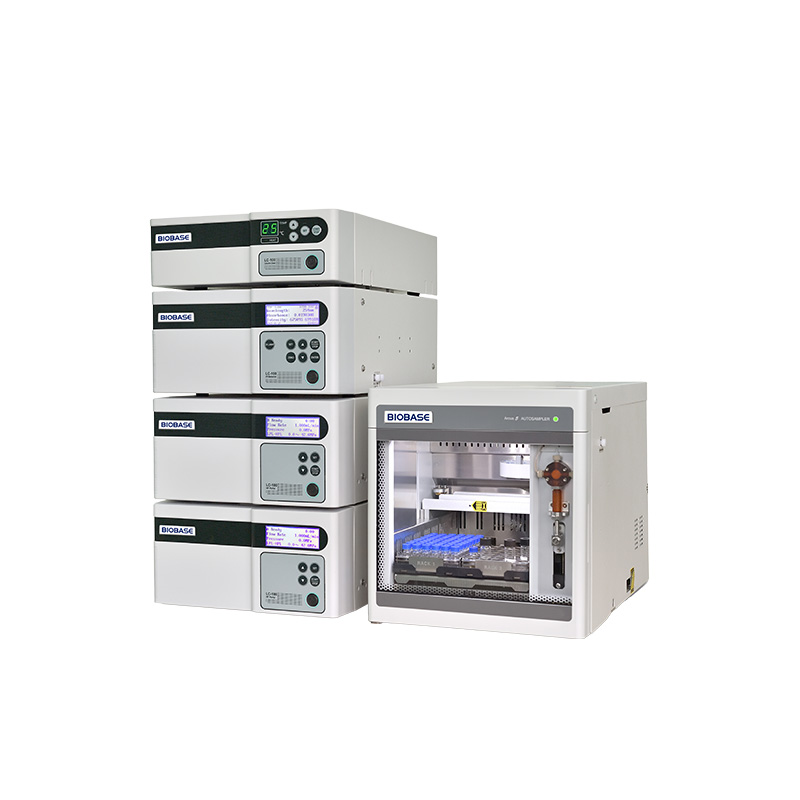
High Performance Liquid Chromatography System BK-100HPLC
Liquid chromatography is a technique that uses a liquid as the mobile phase to separate mixtures through a stationary phase. It utilizes the differences in partition coefficients and adsorption capacities of various components between the two phases, achieves separation through repeated distribution equilibrium, and combines with detectors for qualitative and quantitative analysis.

Ultra High Performance High PerformanceLiquid Chromatography System (Customized)
EClassical 3100 System is perfected from classical HPLC systems manufactured by our company, the high quality has widely recognized by customer. It is suitable for users who are looking for the versatility and robustness. The excellent features ensure the reliability results and improve working efficiency.

High Performance Liquid Chromatography System BK-80HPLC
Liquid chromatography is a technique that uses a liquid as the mobile phase to separate mixtures through a stationary phase. It utilizes the differences in partition coefficients and adsorption capacities of various components between the two phases, achieves separation through repeated distribution equilibrium, and combines with detectors for qualitative and quantitative analysis.